

Engineering the electronics and cloud infrastructure inside Tessa, the care robot that helps people with Alzheimer's find rhythm in their day

Client: Tinybots
Industry: MedTech / Smart Home
Service: Electronics Engineering, Embedded Software, Cloud Infrastructure, App Development
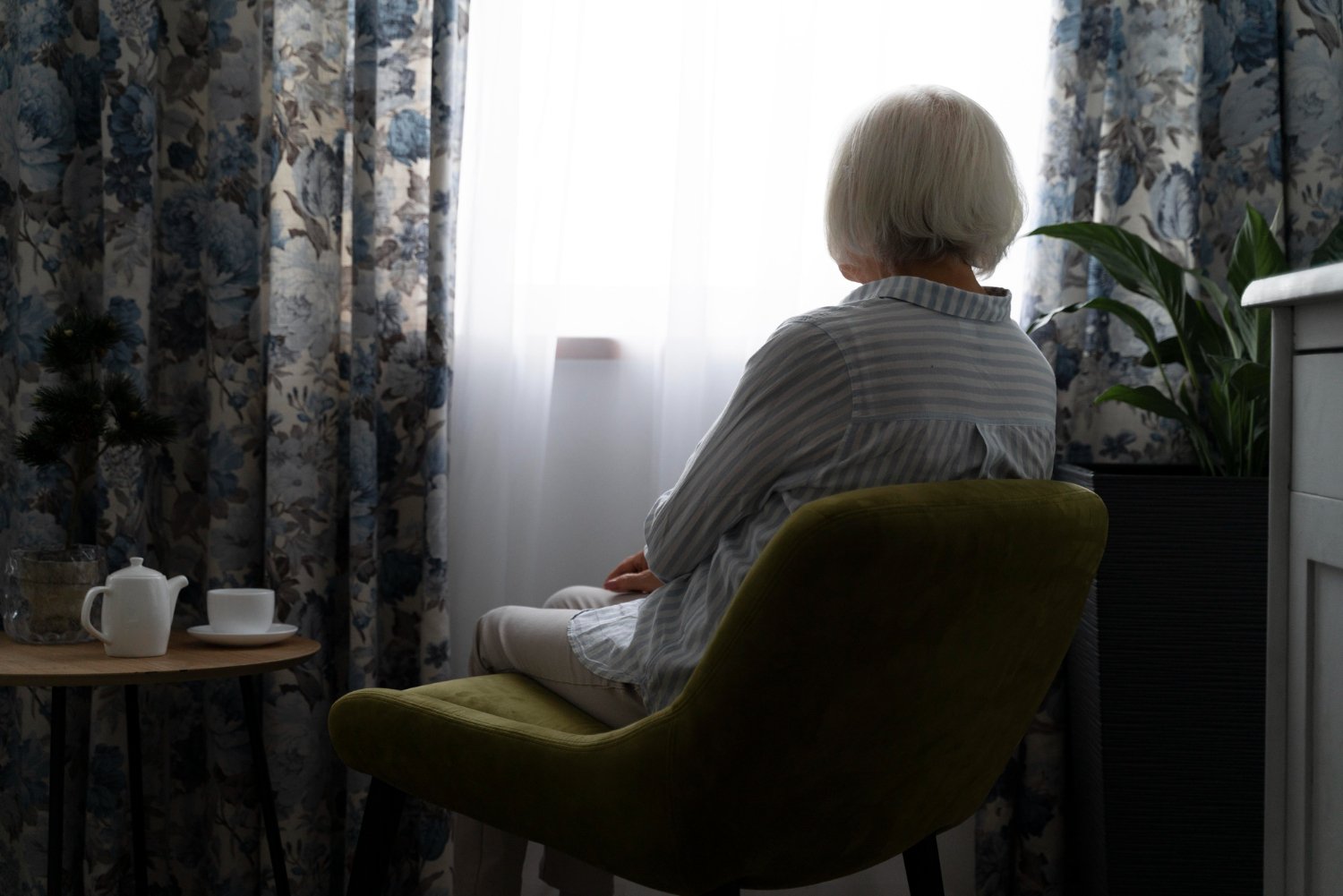
By 2040, more than half a million people in the Netherlands are expected to be living with dementia. Globally, there are 50 million people with dementia, and that number is projected to double over the coming 20 years.
For this project, we've engineered the electronics within Tessa to seamlessly interface with a cloud-based infrastructure, facilitating device management and optimizing the storage of various data types such as music, speech, or memories

Client and Goals
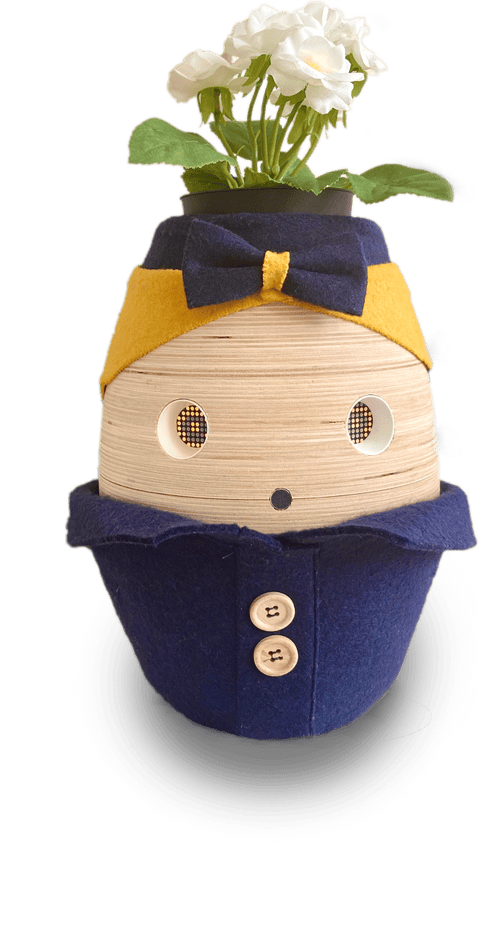
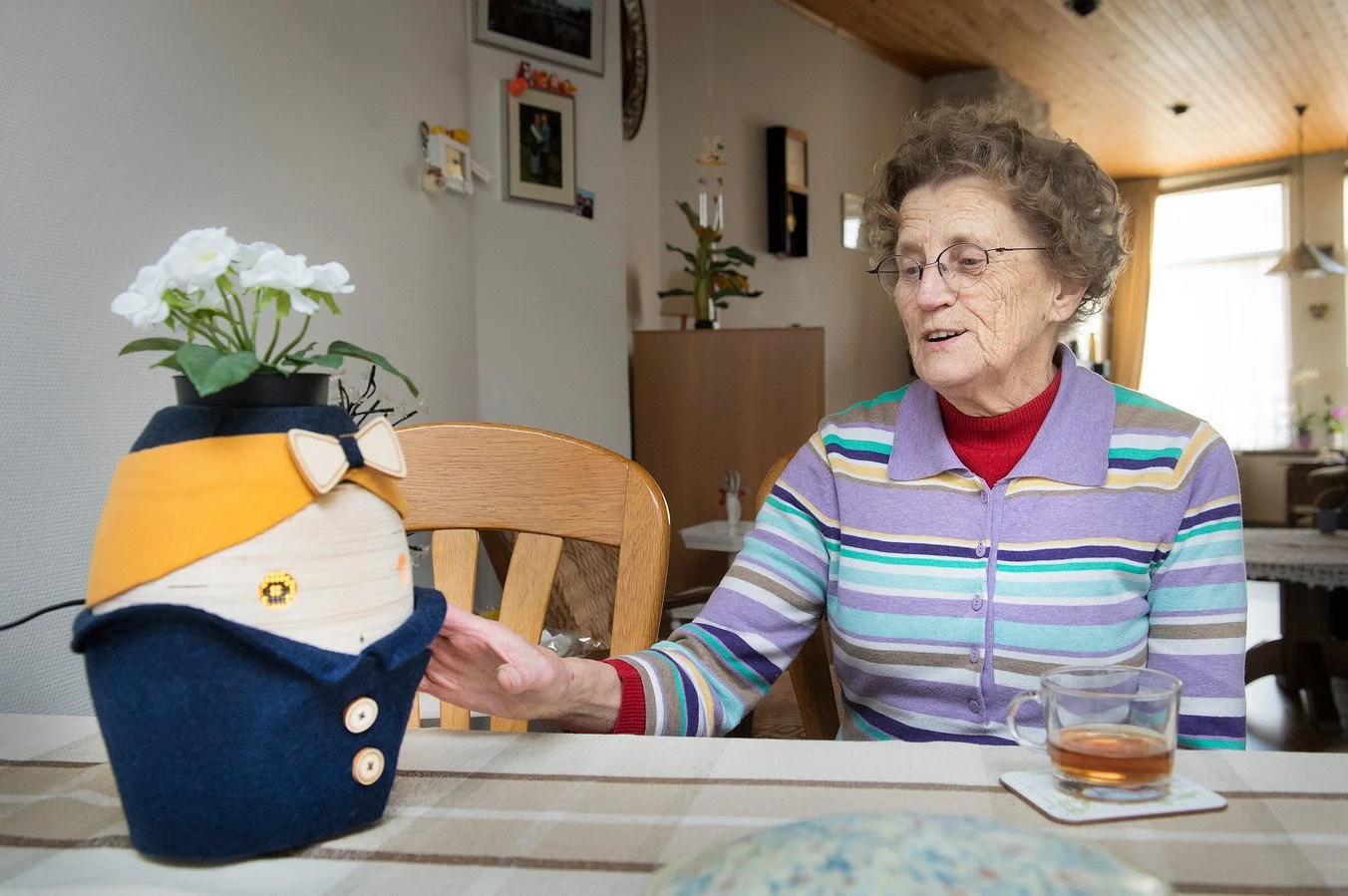
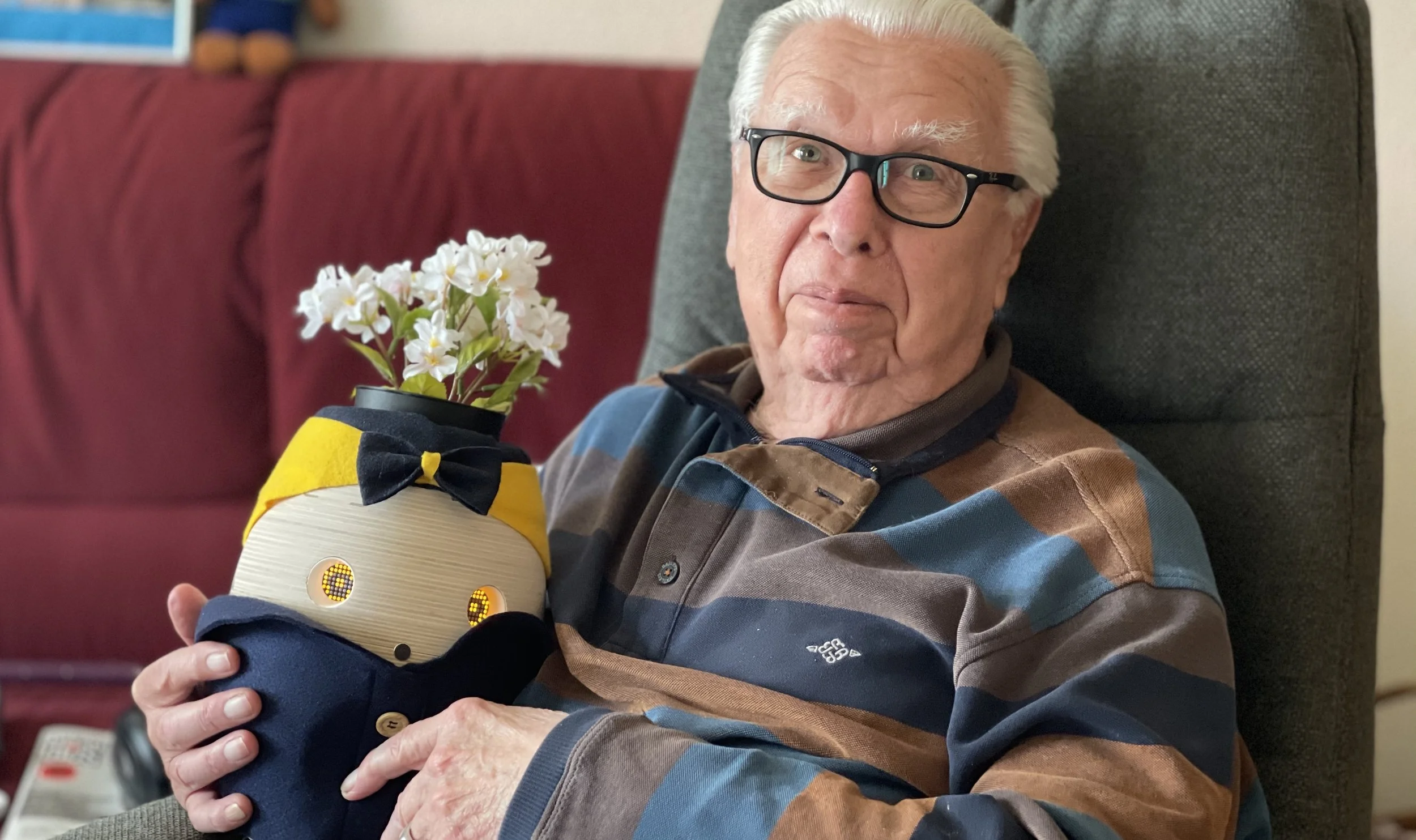
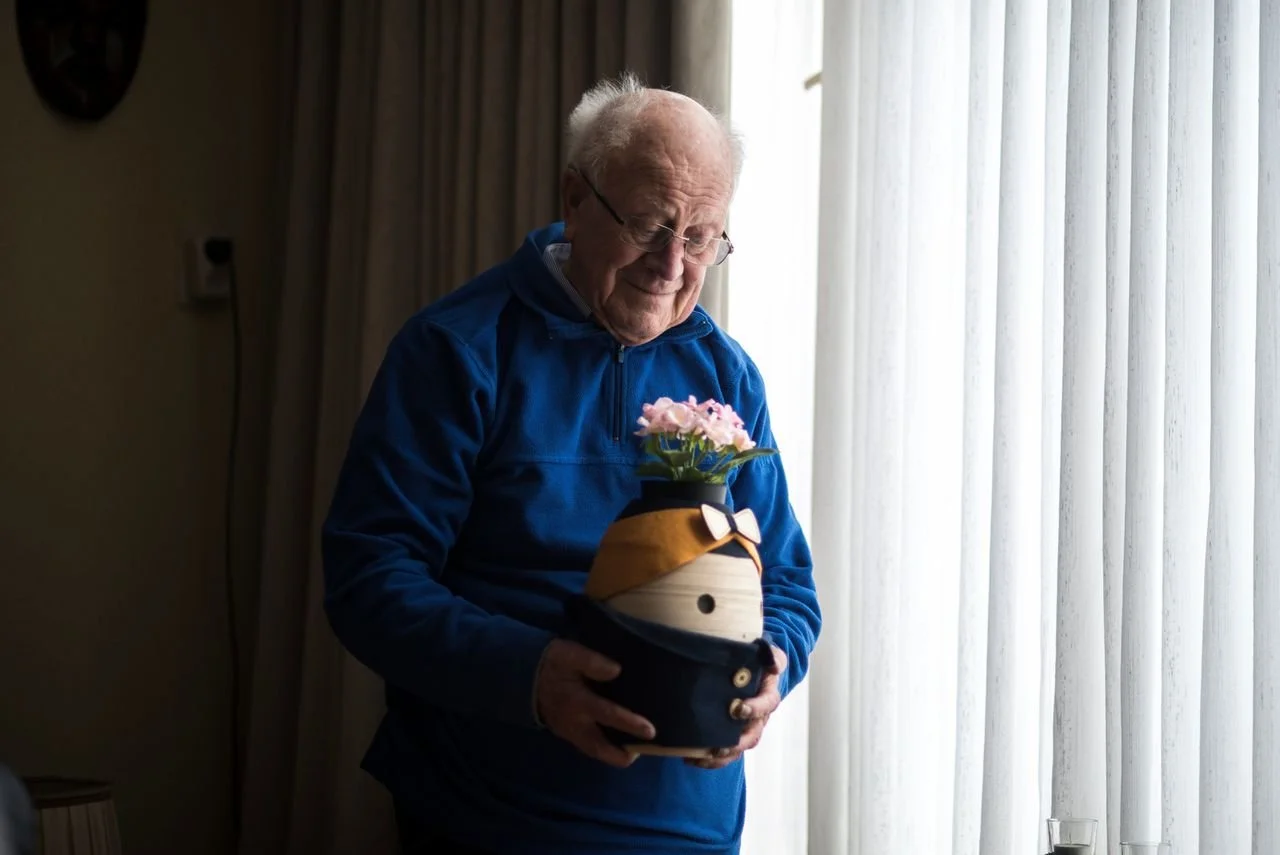
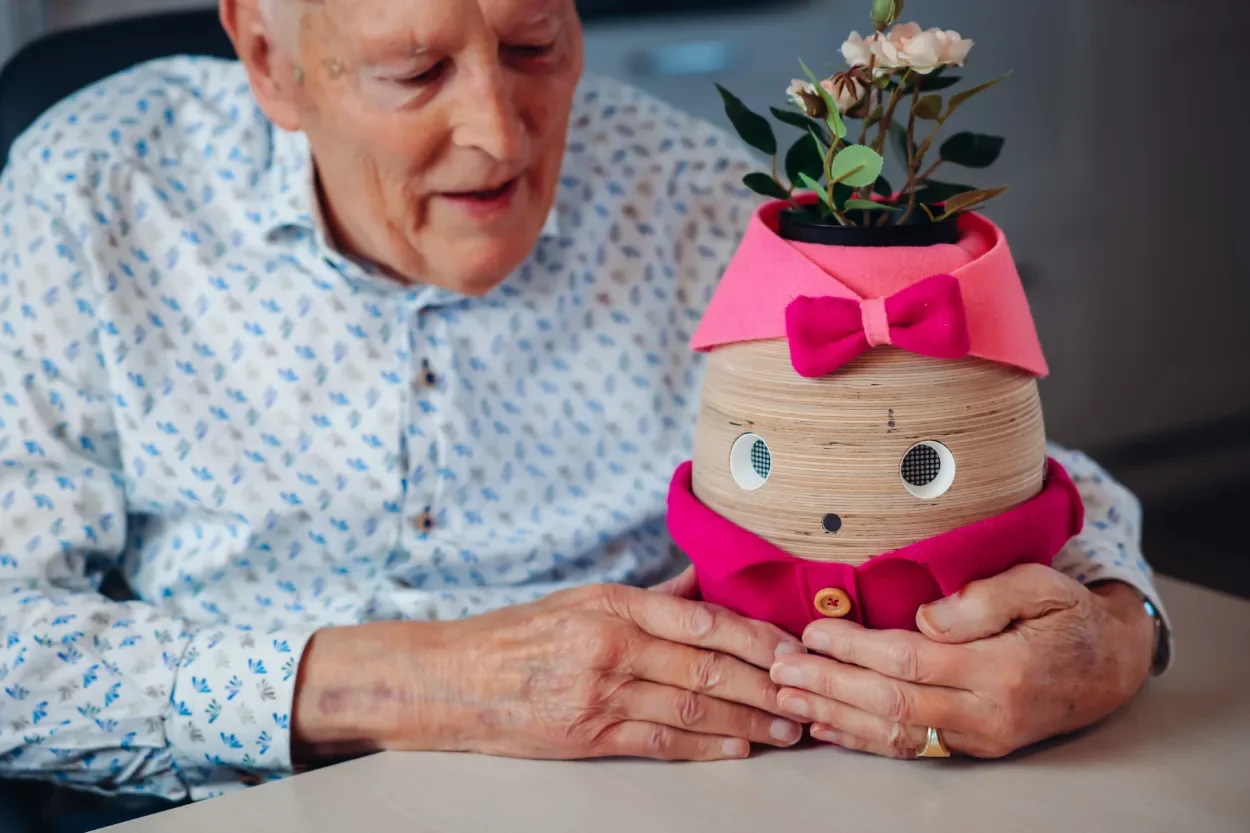
Tessa is a companion robot designed by Tinybots to support people living with Alzheimer's and dementia at home. Rather than replacing human care, Tessa acts as a gentle, consistent presence that helps users maintain structure in their daily lives, reminding them to take medication, prompting familiar activities, playing music tied to personal memories, and providing verbal guidance through tasks that have become harder to manage independently.
The goal of the project was to engineer the electronics inside Tessa and connect the device to a cloud platform that caregivers and family members could use to personalise and manage the experience remotely.
Challenges
Tessa's users are people with cognitive decline. That single fact shaped every technical decision. The device itself had to be completely simple to interact with, no screens, no settings, no configuration that a user would ever need to touch. All complexity had to be invisible, absorbed into the backend and the app used by caregivers, not surfaced to the person using the robot.
This created a demanding set of requirements on the electronics and software side. The device needed to connect reliably to the cloud over Wi-Fi and Bluetooth, receive updates to its content, music, speech prompts, personal memories, daily schedules, and play them back at the right moment without any intervention from the user. If the connection dropped, the device had to degrade gracefully, continuing to function with locally stored content rather than going silent. If a caregiver updated a schedule remotely, that change had to reach the device and take effect without the user noticing anything had changed.
SPINNOV’s Role
SPINNOV engineered the electronics within Tessa and built the cloud infrastructure that bring the device to life as a personalised care companion. Specifically, we:
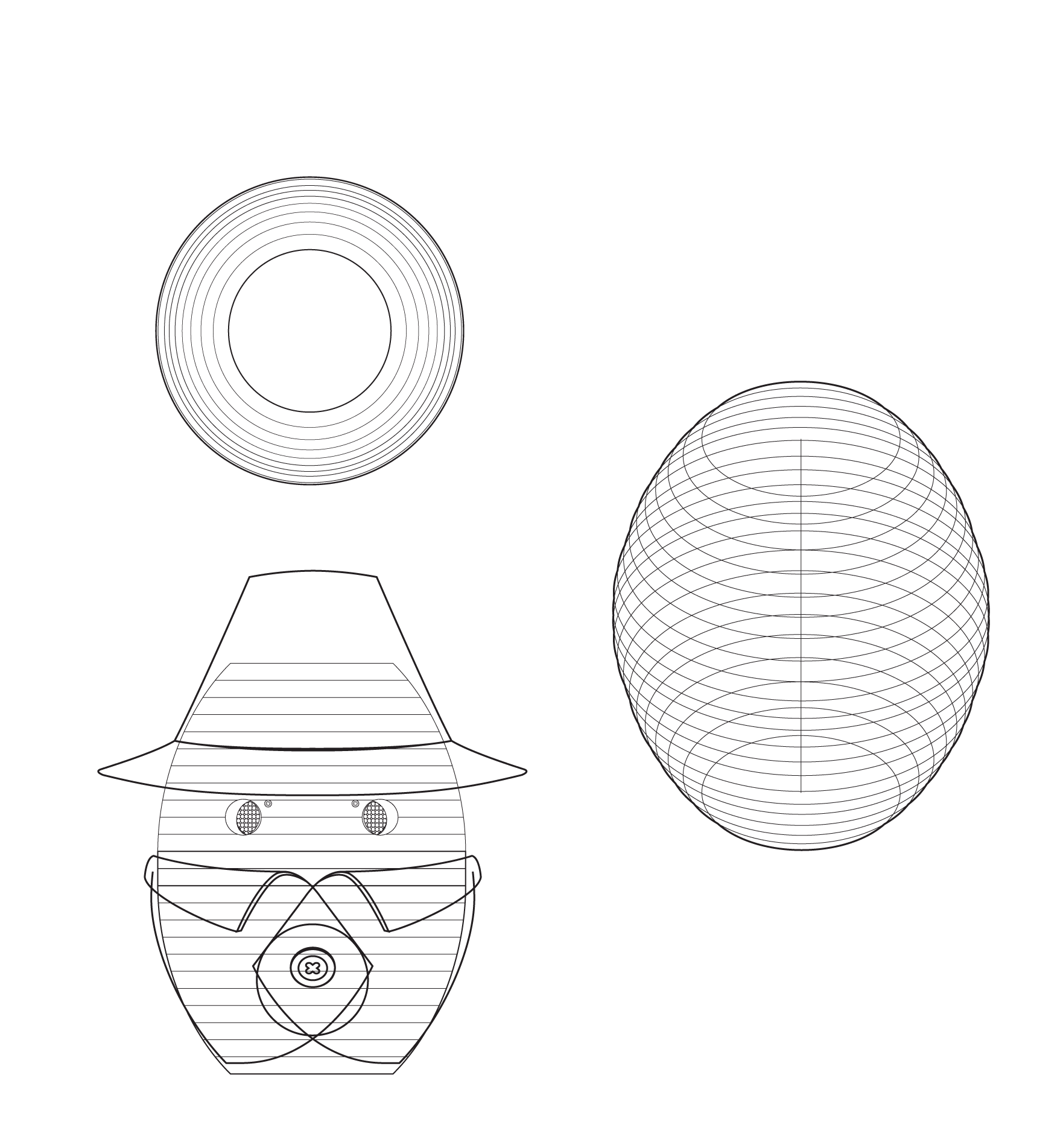
Engineered the electronics inside Tessa, integrating the Raspberry Pi platform with audio, connectivity, and sensor subsystems into the device's physical form
Developed the embedded Linux software managing playback, scheduling, connectivity, and local content storage
Built the cloud infrastructure for device management, content storage, and remote configuration, handling music, speech, personal memories, and daily schedules
Designed the secure setup flow allowing a new device to be connected and configured without technical assistance
Implemented Wi-Fi and Bluetooth connectivity with graceful offline behaviour to ensure Tessa remained functional even when the connection was interrupted
Optimised the full system for reliable, unattended operation in a home environment
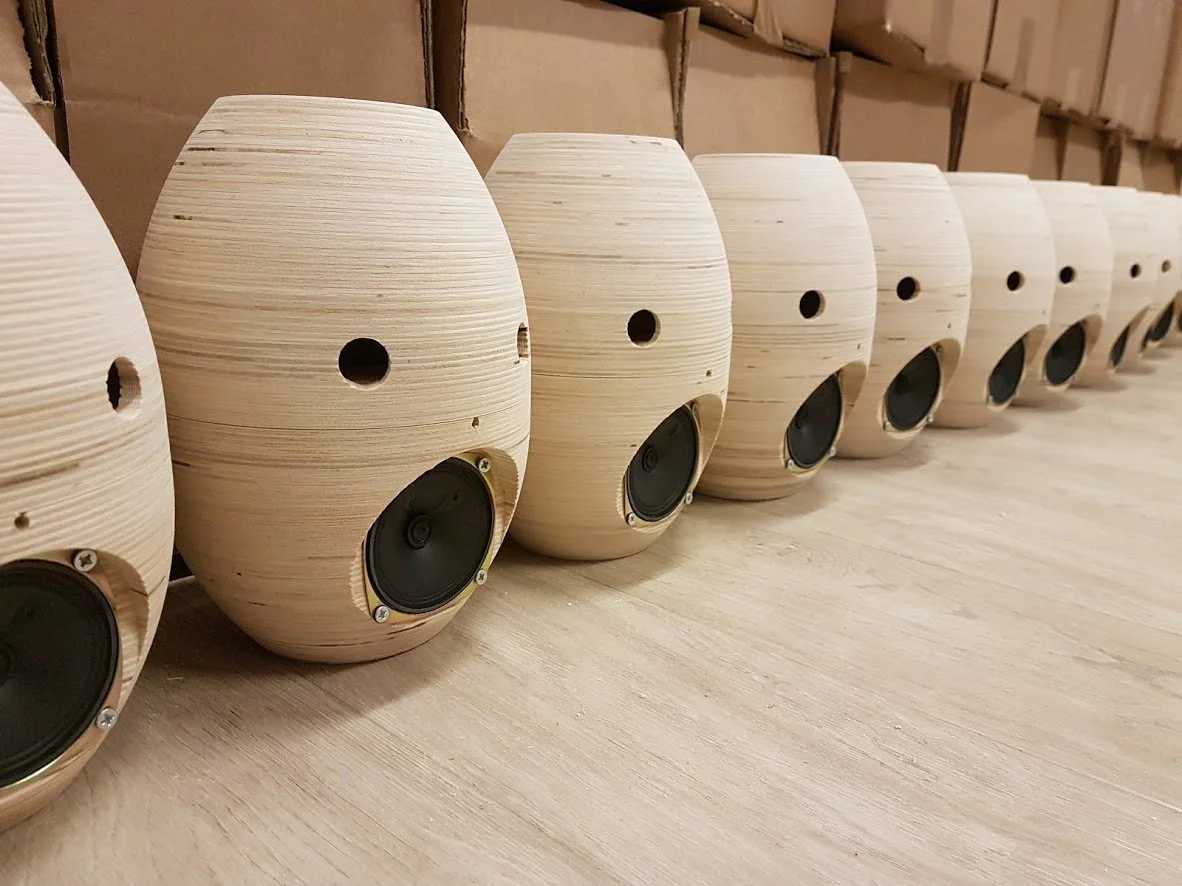
“Tessa was co-developed with its target audience across years of research. During the beta period, 120 robots were placed at 4 different healthcare sites for 12 months, with music, speech recognition, and conversational scripts added based on that feedback.
The initial trial deployment covered 65 plug-and-play robots among home care clients.”
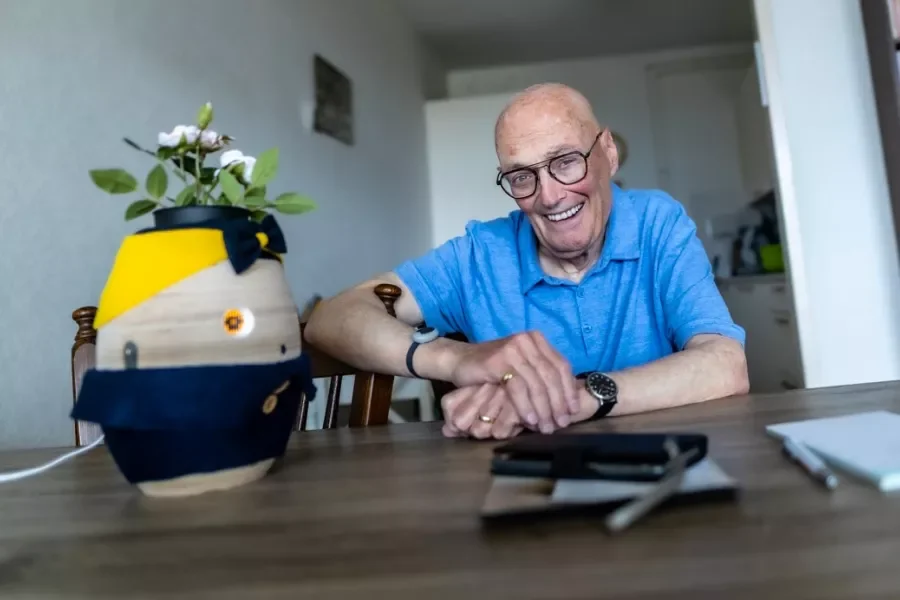
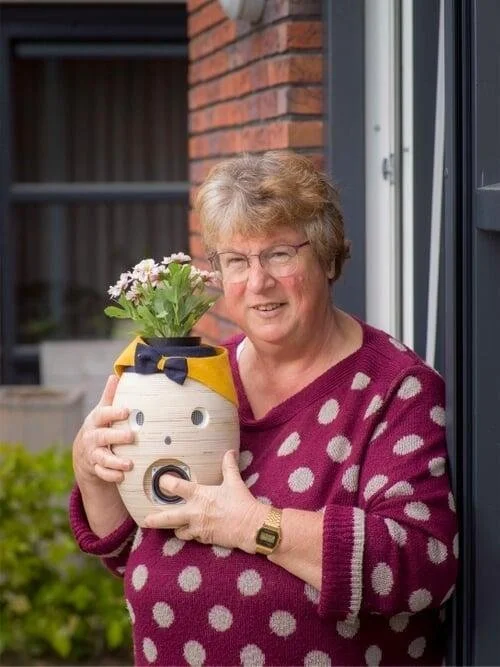
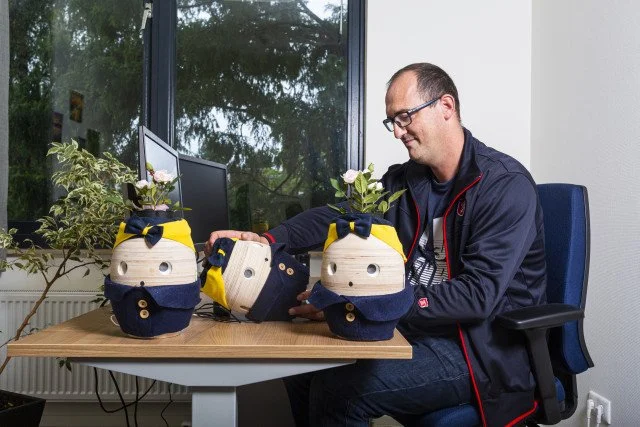
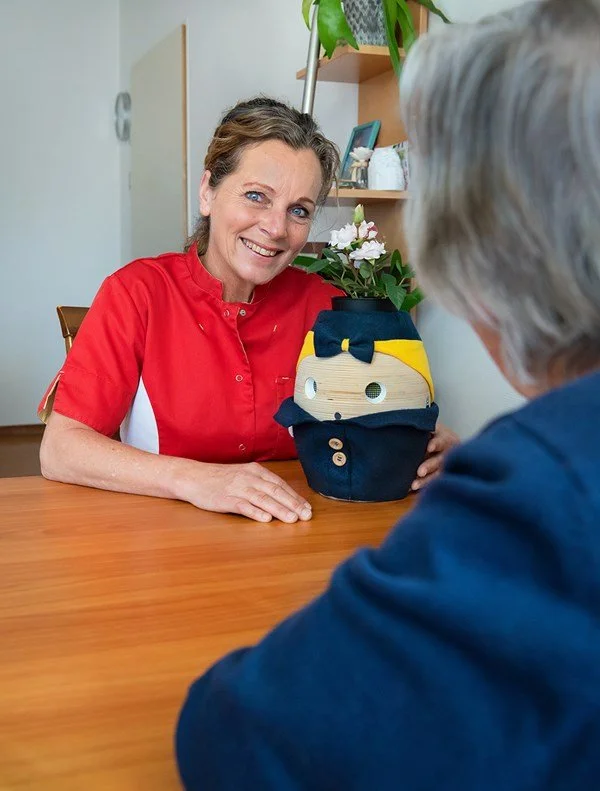
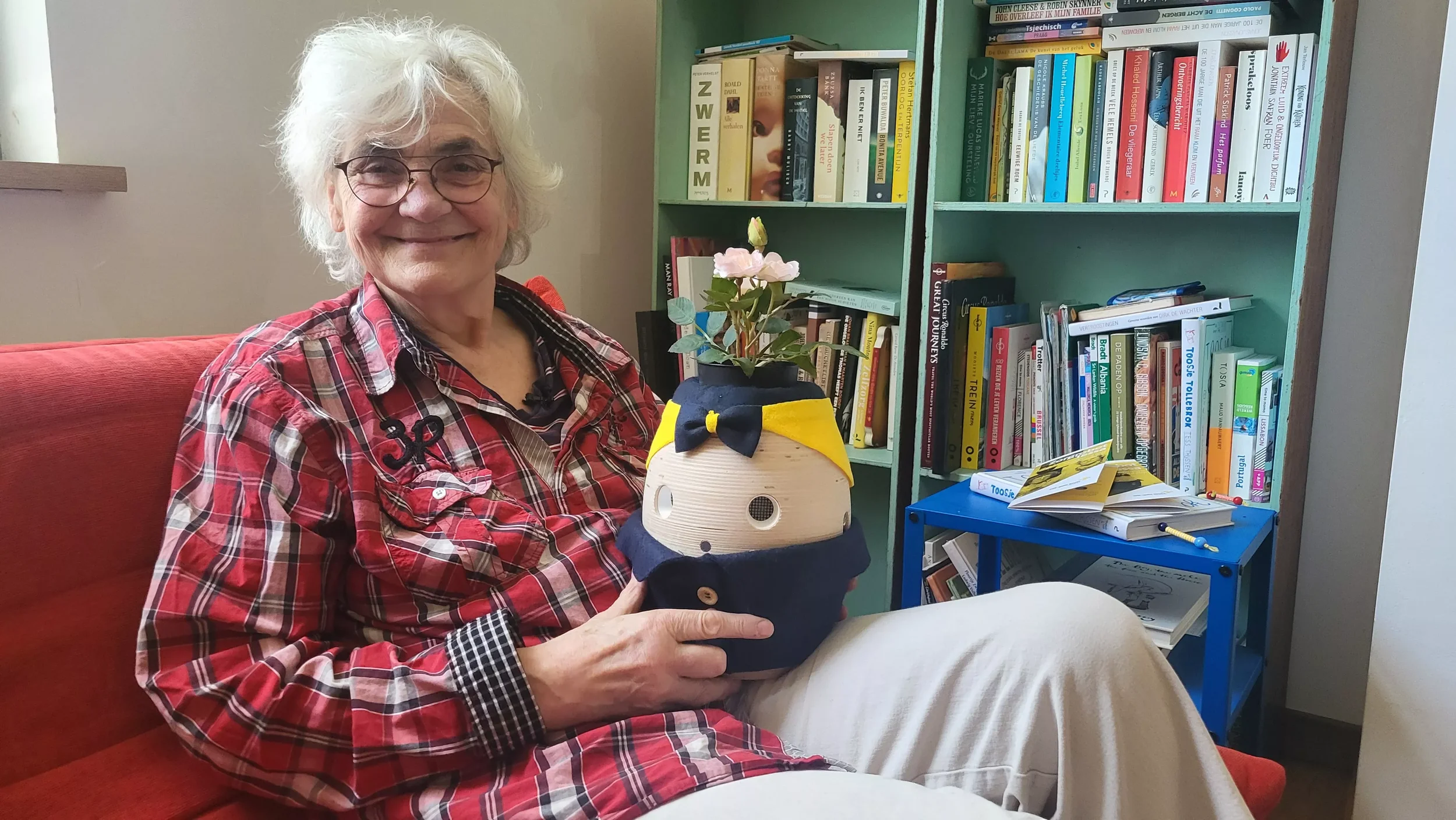
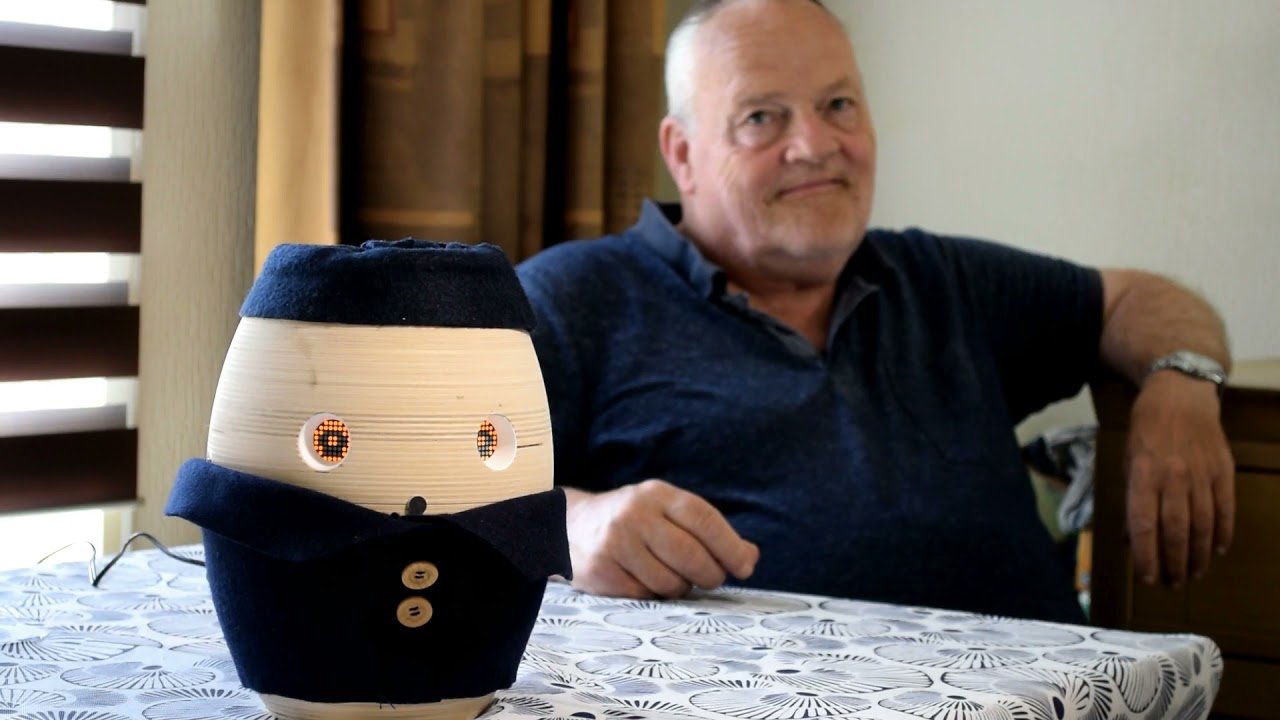
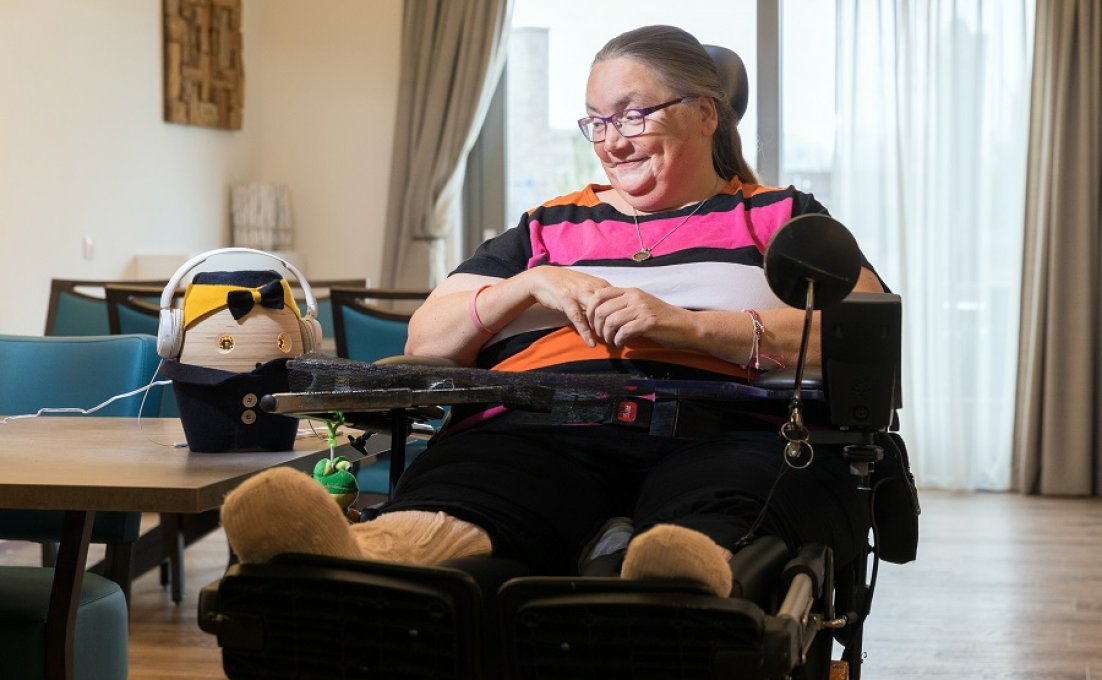
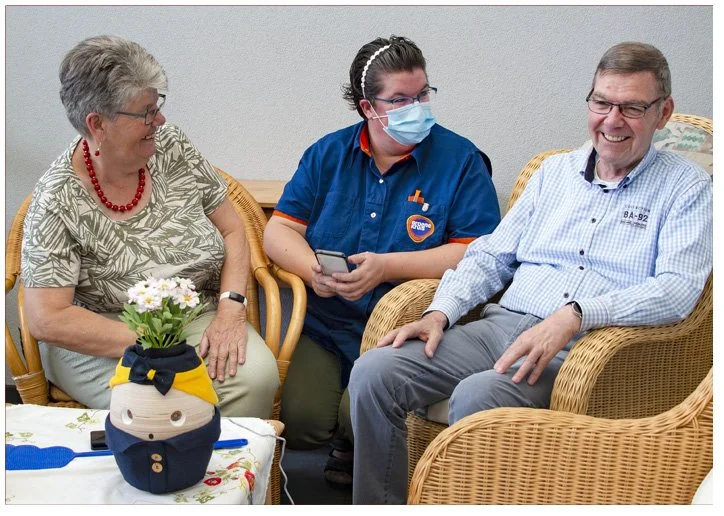
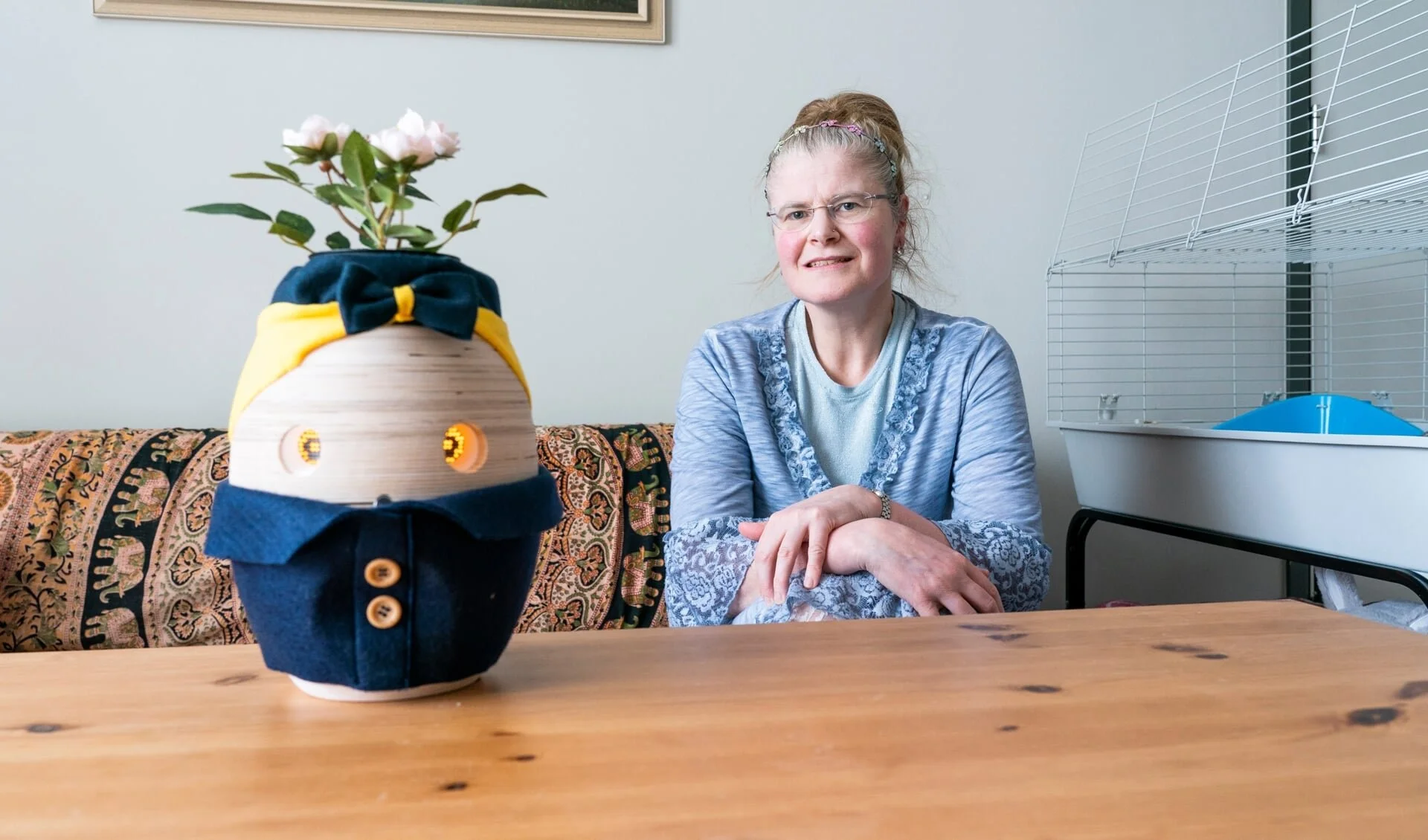
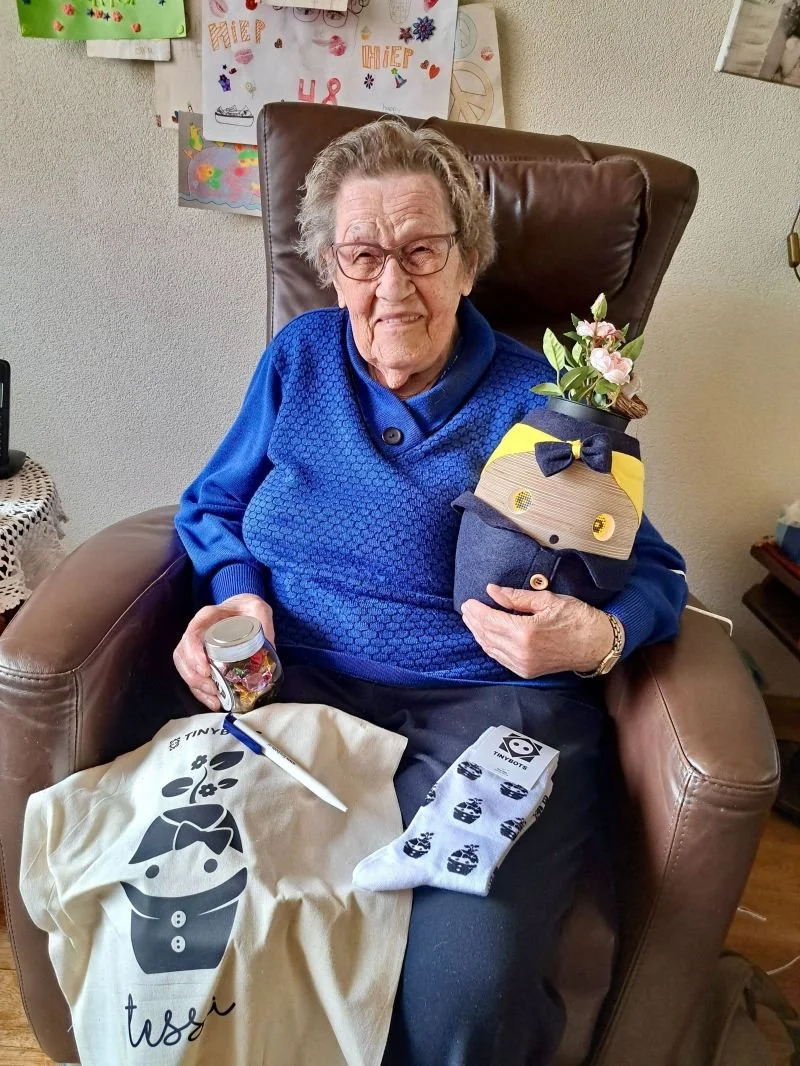
Tessa Facts & figures
-
Researchers from four Dutch universities — Windesheim, Hanze Groningen, Viaa, and NHL Stenden — found that Tessa can be of significance for people with dementia living at home.
Research by Zorgverzekeraars Nederland, Fontys, and Vilans across approximately 14 care providers confirms that Tessa helps clients become more self-reliant in response to their indicated care needs.
The pilot at De Zorggroep showed that Tessa works very well for people with cognitive disabilities, with users suffering less from their condition when receiving this form of assistance.
-
A ZonMw-published study (2025) reports that 85% of clients benefit from Tessa, with an average saving of approximately 1.5 hours per week.
-
As of 2025, more than 175 care organisations use Tessa — making it the most widely adopted care robot in Dutch home nursing — supporting thousands of home nursing clients daily.
De Zorggroep alone set a goal of deploying at least two Tessas across each of their roughly 80 homecare units, with Tessa becoming a standard part of their district nursing service.
-
As of 2025, three of the four major Dutch health insurers — Zilveren Kruis, CZ, and VGZ — have included Tessa as standard in their home nursing purchasing policy, making it a routine, reimbursable part of district nursing care in the Netherlands.