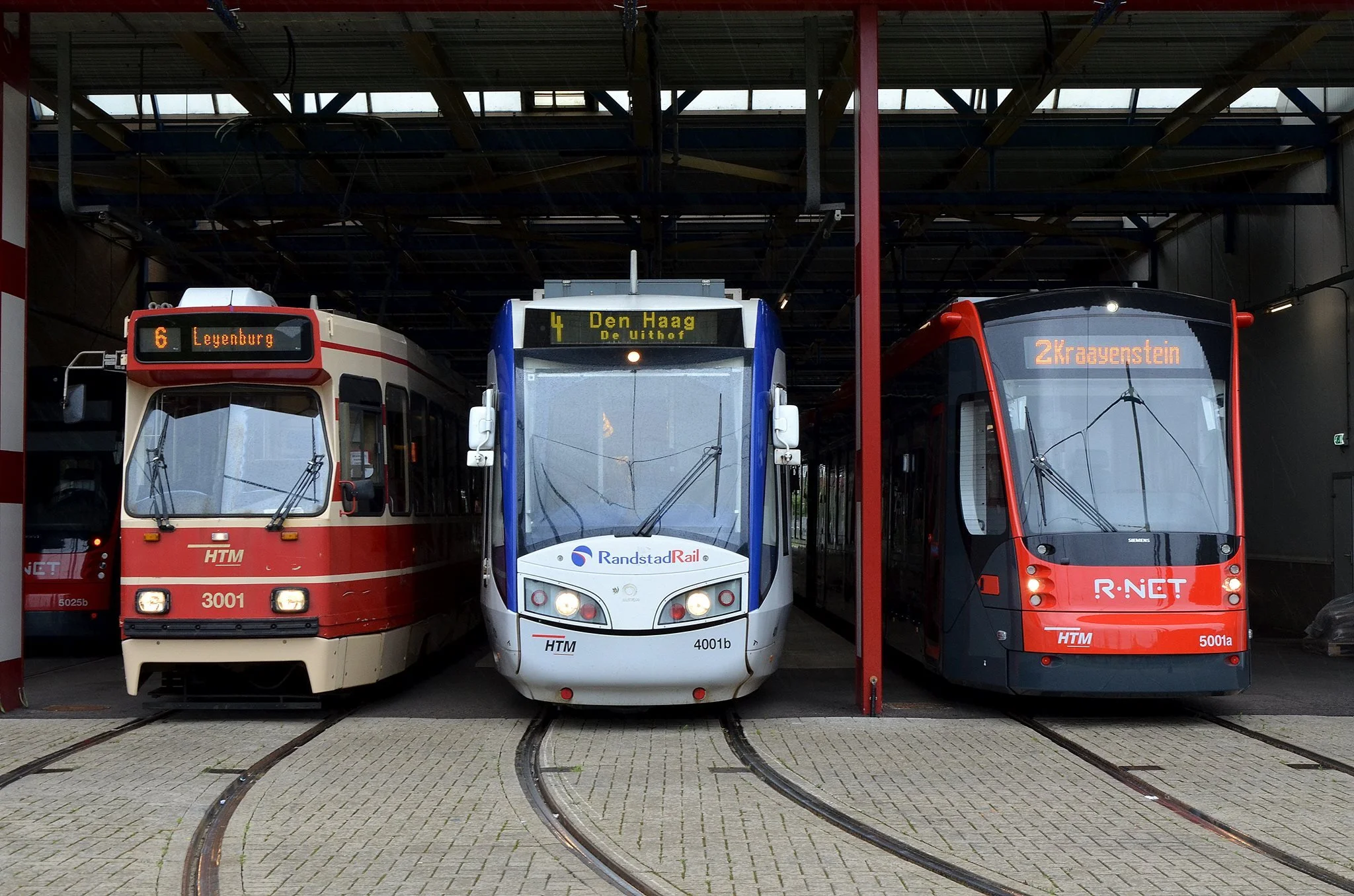
Connecting Den Haag's tram and bus fleet to its control room in real time
Client: HTM Den Haag
Industry: Telecom / Public Transport / Critical Software
Service: Embedded Software, Windows Services, System Integration
We designed and implemented vehicle communication software in trams and busses of Den Haag to regulate safety and to contribute to the operational performance, improving travel time, and comfort of public transportation. Its principal function is to exchange real-time information between vehicles and the central control room.


Client and Goals
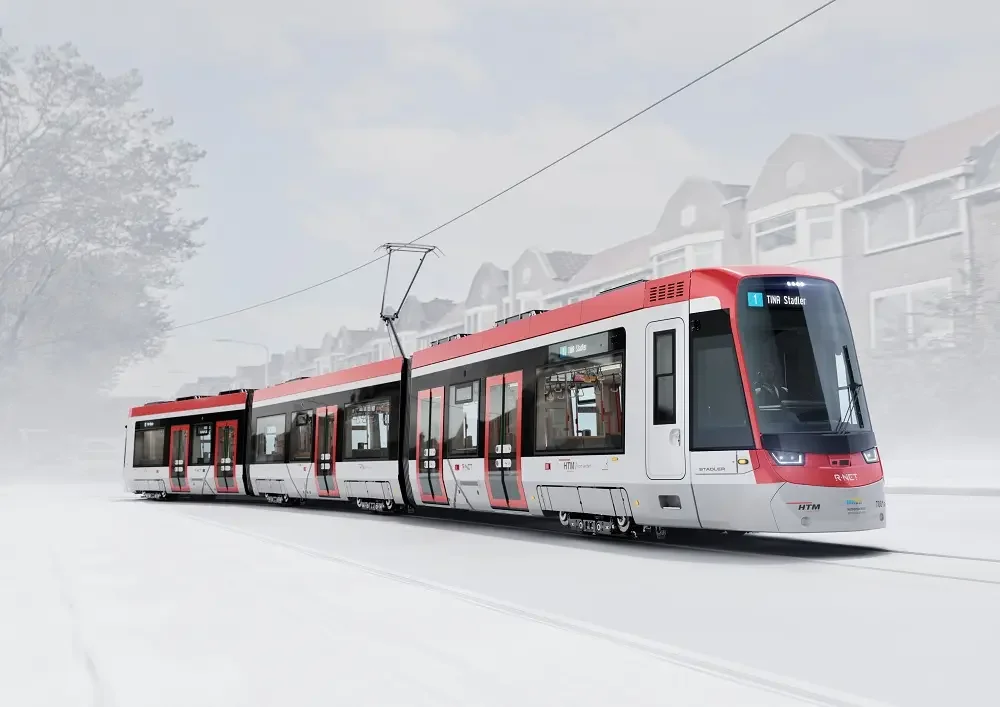
HTM operates the tram and bus network that moves hundreds of thousands of people around Den Haag every day. Keeping that network safe, on schedule, and responsive to changing conditions depends on one thing above all else: the control room knowing what is happening on every vehicle, in real time, and being able to act on it. HTM approached SPINNOV to design and implement the vehicle communication software that would make this possible, a system connecting their fleet directly to the central control room and forming the backbone of their operational safety and performance infrastructure.
Challenges
Vehicle communication software for a live public transport network is unforgiving in a way that most software is not. Trams and buses run continuously, on fixed schedules, carrying passengers whose safety depends on the systems working correctly. The software cannot have downtime windows, cannot tolerate data loss during high-traffic periods, and cannot be trialled in isolation from the real fleet, it has to be integrated into live vehicles that are already operating a city's transport network.
The existing infrastructure presented its own constraints. HTM's trams and buses ran a mix of communication hardware and legacy protocols, TETRA radio for critical voice and data, RS232 and RS485 serial interfaces connecting onboard systems, Windows-based applications running on vehicle computers, and Linux embedded systems sitting alongside them. Any new software had to work with this environment as it existed, not as it might ideally be. Compatibility testing across vehicle types, hardware variants, and software versions was not a preliminary step, it was a continuous requirement throughout development and integration.
Peak-hour performance added a further dimension. The volume of real-time data exchanged between vehicles and the control room increases substantially during rush hours, precisely when reliability matters most. The data processing architecture had to be designed not for average load but for worst-case conditions, with enough headroom to handle bursts without degrading the quality or timeliness of the information reaching the control room.
SPINNOV’s Role
SPINNOV designed and implemented the full vehicle communication software stack for HTM's tram and bus fleet, from the embedded software running on vehicle hardware through to the Windows services and C# applications forming the interface with the central control room. The system now handles real-time information exchange across the fleet, supporting both operational performance and safety-critical communications. Specifically, we:
Designed and implemented embedded Linux software running on vehicle onboard systems, managing data collection and local processing
Built C# Windows applications and Windows Services for the vehicle-side and control room-side communication layers
Integrated with TETRA/Portofonie radio infrastructure for reliable safety-critical voice and data communication
Implemented RS232 and RS485 serial interfaces connecting the communication software to onboard vehicle hardware
Engineered real-time data exchange protocols optimised for reliability under peak network load conditions
Managed compatibility integration across HTM's mixed fleet of trams and buses with varying hardware and software configurations
Coordinated with HTM operational and technical stakeholders to validate the system against live fleet requirements throughout development

Let’s talk about your project
What happens next
Our experts will contact you within 24 hours.
If needed, we’ll sign an NDA to guarantee your privacy.
You’ll receive a detailed proposal with estimates and timelines.